
Residential Fence Installation in Austin, TX
Every Material, Every Yard, Every Neighborhood Across Central Texas
Request A Free Quote
Whether you’re enclosing a backyard for the first time, replacing a fence that’s past its prime, or adding a decorative boundary to a front yard, Horizon Fence Company has been handling residential fence installation across Austin, TX since 2011. We work with homeowners in every kind of Austin neighborhood — established central neighborhoods, newer suburban developments, Hill Country properties, and master-planned communities with HOA design requirements — and we bring the same standard of work to every job regardless of size or material.
Residential fencing in Austin is more involved than it looks from the street. The city’s expansive clay soils, limestone substrate, summer UV intensity, and HOA-heavy suburban landscape all create conditions that separate a fence that lasts 5 years from one that lasts 20. We’ve been navigating those conditions long enough to know exactly where the failure points are — and how to build past them.
Tell us what you’re trying to accomplish and we’ll help you find the right material, style, and construction approach for your property. Request a free residential fence estimate and we’ll schedule an on-site visit at your convenience.

Residential Fencing Materials We Install in Austin
We install every major residential fence type in Austin. Each material has a distinct performance profile, maintenance requirement, and cost range — and the right choice depends on your property, your goals, and how much ongoing upkeep you want to commit to. Here’s a straightforward breakdown of what we offer and when each option makes the most sense for Austin homeowners.

Cedar Fencing
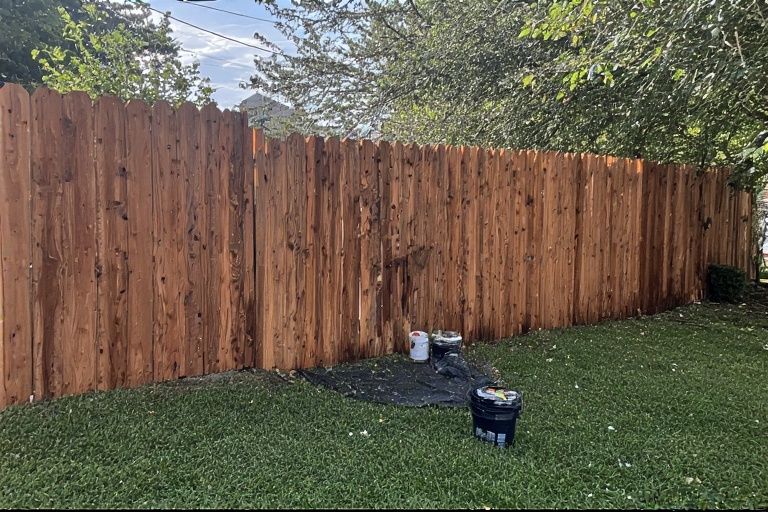
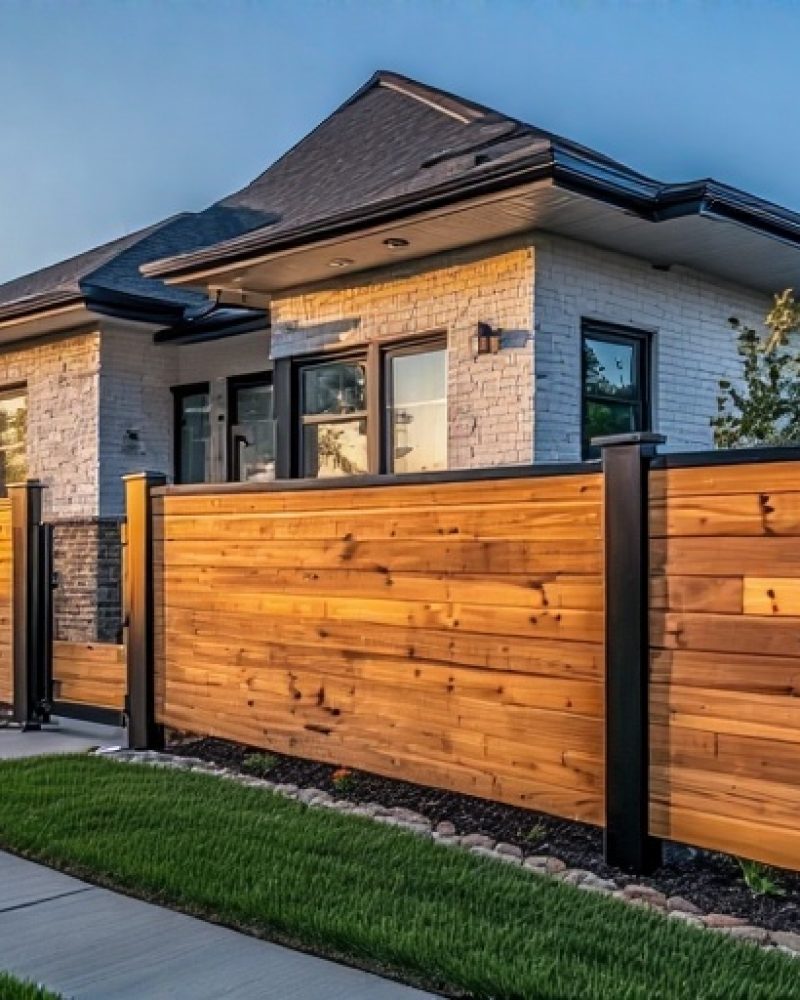
Cedar is the most popular residential fencing material in Austin, and it earns that position. Its natural oils resist rot and insects without chemical treatment, it accepts stain uniformly for long-term UV protection, and it looks right on virtually every Austin home style. A properly installed and maintained cedar fence typically lasts 15 to 20 years in Central Texas. See our full cedar fence installation page for a complete breakdown of styles, maintenance intervals, and performance comparisons.
Wood Fencing
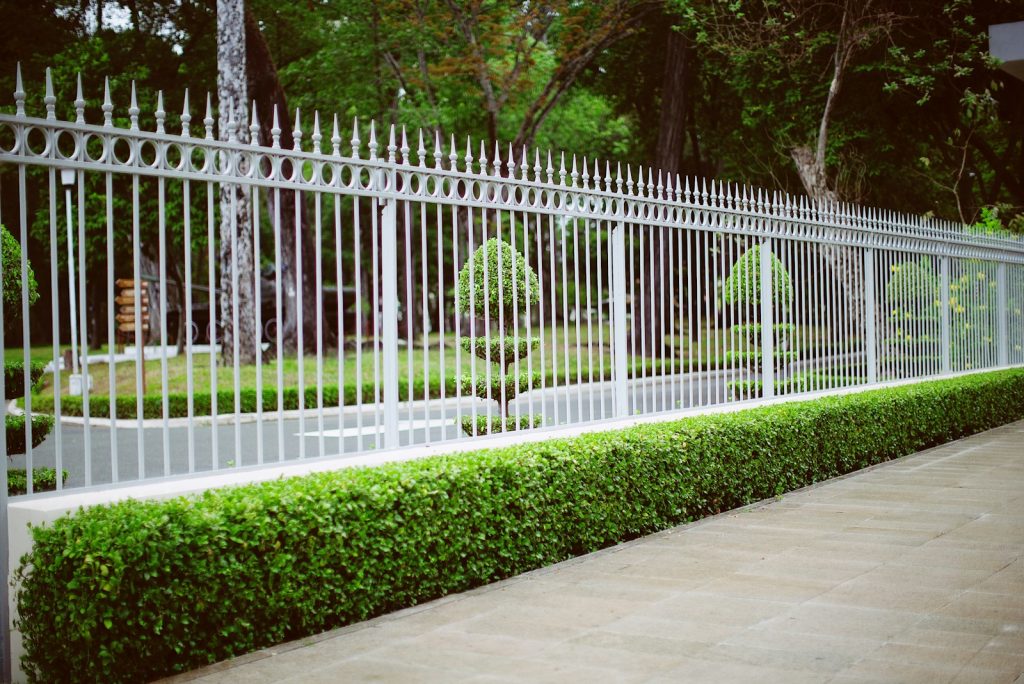
Pressure-treated pine gives Austin homeowners a cost-effective path to a full privacy or decorative fence. It’s heavier and denser than cedar and performs well when consistently stained and maintained. Dog ear, board-on-board, shadowbox, split rail, and custom wood profiles are all available. Our wood fence installation page covers the full range of wood styles and construction methods we use for Austin residential properties.
Privacy Fencing
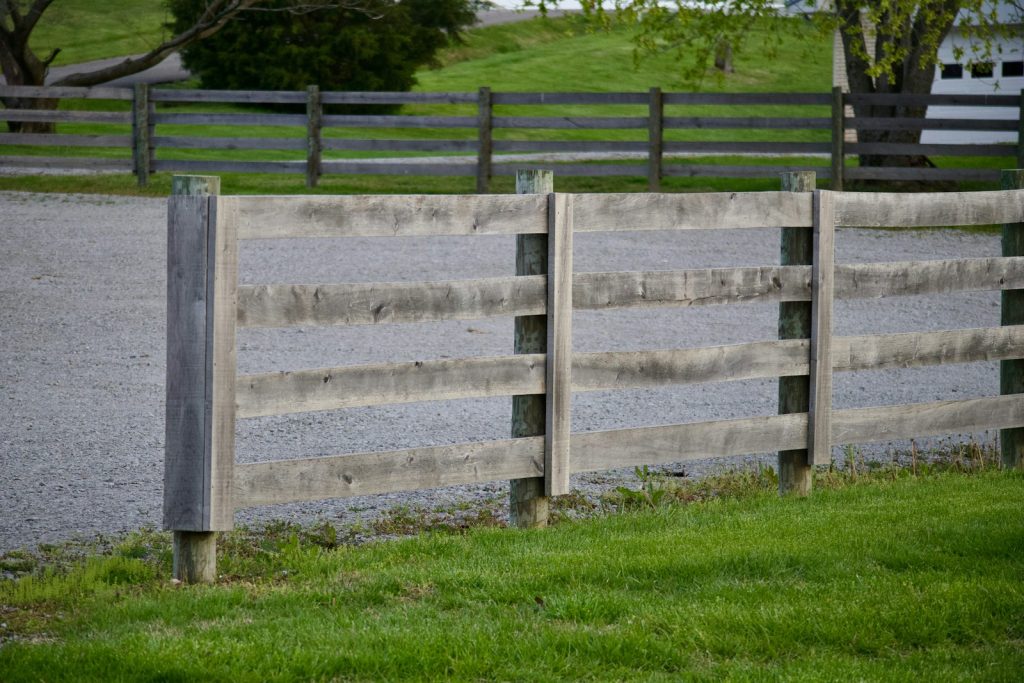
For homeowners whose primary goal is full backyard seclusion, our dedicated privacy fence installation page covers everything specific to high-privacy builds — solid board vs. board-on-board construction, wind load engineering for Austin’s storm season, material options at every budget, and what to expect from the installation process on sloped and clay-soil lots.
Composite Fencing
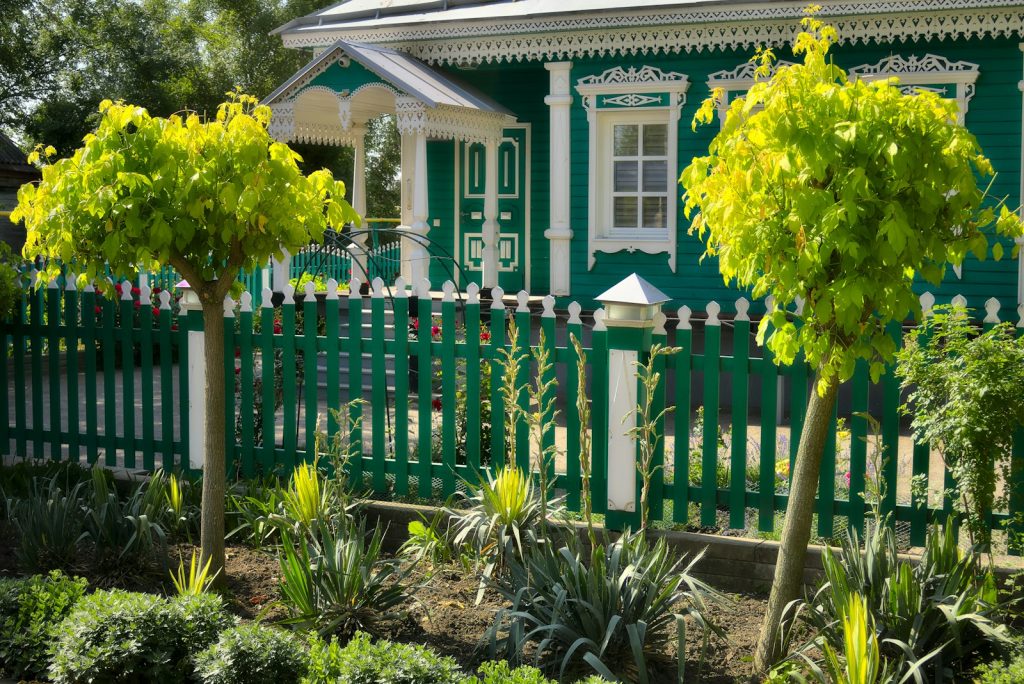
Composite is the right choice for Austin homeowners who want a wood-look fence without the maintenance cycle. No staining, no sealing, no UV bleaching — composite boards hold their color and resist rot and insects over a typical service life of 25 years or more. The upfront cost is higher than wood, but the total cost of ownership over a long hold period typically favors composite. See our composite fence installation page for a full material comparison and a breakdown of available styles and colors.
Ornamental Iron Fencing
Ornamental iron is the defining residential fence choice for front yards, driveways, and pool enclosures where security and visual impact matter as much as privacy. It’s permanent, virtually maintenance-free structurally, and available in spear-top, flat-top, and decorative scroll profiles. Our ornamental iron fence installation page covers custom design options, powder coat finish selection, and what to expect from the installation process in Austin’s rocky terrain.
Chain Link Fencing
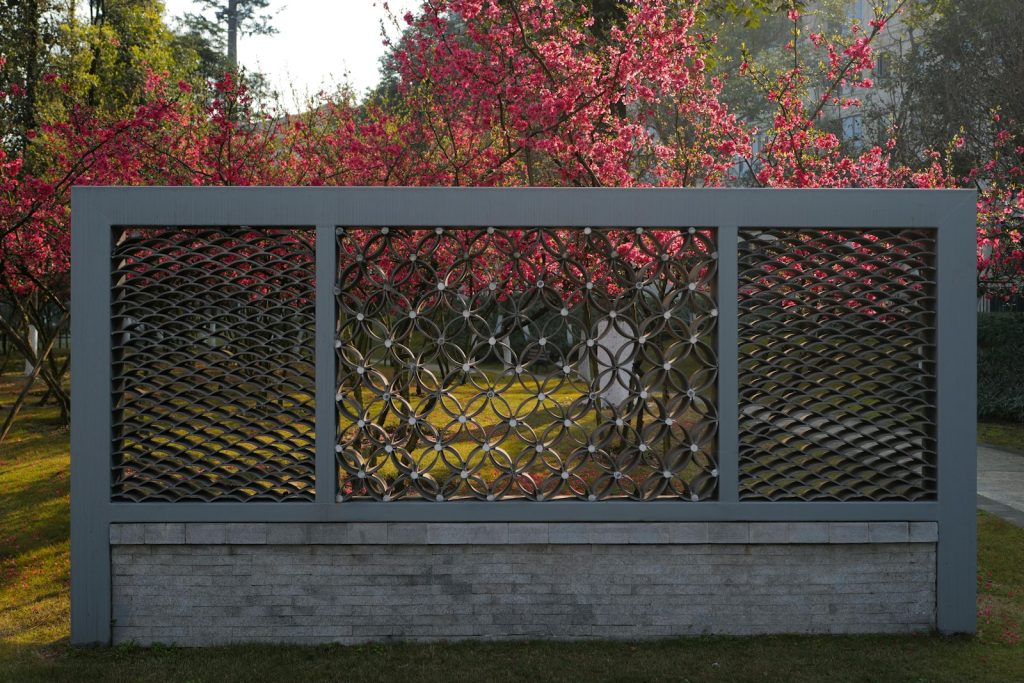
Chain link is the most cost-effective residential fencing solution for large perimeters, side yards, dog runs, and properties where visibility is preferred over privacy. Galvanized and vinyl-coated options are both available. Our chain link fence installation page covers residential and commercial applications, gauge and mesh size options, and gate configurations.
What to Expect From a Residential Fence Installation in Austin
If you haven’t had a fence installed before — or if it’s been long enough that you don’t remember the process — here’s a clear picture of what our residential fence installation services look like from first contact to completed job.
Free On-Site Estimate
Every project starts with an in-person visit. We walk your property line, measure the fence run, identify grade changes and soil conditions, note any underground utilities, and discuss your material preference, height, gate placement, and HOA constraints if applicable. We don’t quote residential jobs by the photo or the satellite image — site conditions in Austin vary enough that an in-person look is the only way to give you an honest number.
Permit and HOA Review
Most residential fences under 6 feet in Austin don’t require a city permit, but rules vary by zoning district, floodplain status, and whether your property sits in a historic overlay. HOA requirements add another layer — materials, stain colors, setbacks, and height limits all vary by community. We’re familiar with the requirements across most Austin-area HOAs and can advise you before the project begins. Current City of Austin fence permit thresholds are available through the City of Austin Development Services department.
Post Setting
Post foundation is the single most important variable in residential fence longevity in Austin. Austin’s black clay soils expand when wet and contract when dry — that seasonal cycle pushes and pulls on fence posts and is the leading cause of leaning and structural failure in poorly installed fences. We set posts to the correct depth for your fence height and soil type, use the right concrete mix, and brace posts until concrete has fully cured. This step is where most budget installations cut corners, and it’s where the difference between a 5-year and a 20-year fence is made.
Frame and Board Installation
Rails are set level on flat terrain and adjusted for slope on graded lots — either by stepping the fence in clean increments or racking the frame to follow the contour, depending on the fence type and degree of grade change. Boards are installed plumb, with consistent spacing and alignment throughout, using galvanized hardware that won’t rust through and stain the wood face over time.
Gates
Walk gates and double drive gates are framed, hung, and hardware-fitted during the same visit. Gate frames include diagonal bracing to resist the sag that affects every unbraced gate frame over time. Latches, hinges, and drop rods are rated for outdoor use in Austin’s weather. Every gate is adjusted and tested before we leave the job site.
Cleanup and Final Walk
The job site is fully cleared of all material, packaging, and debris before we call the job complete. We walk the full fence with you — every post, board, gate latch, and hardware fitting gets checked before we consider the work done.
Austin-Specific Factors That Affect Residential Fence Performance
Residential fencing in Austin fails for predictable reasons. Understanding them helps you choose the right material and know what to look for in an installation quote:
Expansive Clay Soils
Austin’s heavy black clay soil swells significantly when wet and contracts just as sharply during summer drought. This cycle applies continuous pressure to fence posts and is the primary driver of leaning and failure in residential fences across Central Texas. Proper post depth, concrete footing specification, and post sizing for the fence height are the defenses against it. Any quote that doesn’t account for your specific soil type is guessing.
Caliche and Limestone
South Austin, the western suburbs, and properties near the limestone escarpment often have caliche or solid rock just inches below grade. Reaching the correct post depth in these conditions requires mechanical auger equipment capable of penetrating hardpan. We carry it on every truck — we don’t leave posts shallow because the soil was difficult to work.
UV Intensity and Summer Heat
Austin averages over 300 days of sunshine per year. Untreated wood fencing bleaches, checks, and dries significantly faster here than in most other U.S. climates. For cedar and pine, our fence staining and sealing service applies UV-protective coating that extends the life of a wood fence and maintains its appearance between major maintenance cycles.
Wind and Storm Load
Austin’s spring storm season brings strong straight-line winds that test privacy fence structures every year. Solid-board fences carry significant wind load. Post depth, concrete footing size, rail-to-post connection, and board-on-board vs. solid construction are all wind-load engineering decisions that affect whether a fence survives a severe storm or needs fence replacement afterward.
HOA Requirements
A significant portion of Austin’s residential growth over the past two decades has been in master-planned HOA communities that restrict fence height, materials, colors, and setbacks. We’ve navigated HOA design review processes across dozens of Austin-area communities and can help you submit the right documentation for approval before any work begins.
Residential Fence Maintenance in Austin
How you maintain your fence after installation determines how long it performs. A few consistent habits make a significant difference in Austin’s climate:
- Inspect the full fence line once a year — look for leaning posts, split boards, rust staining from hardware, and gate sag
- Keep soil, mulch, and vegetation clear of the base of fence boards — ground contact is where rot starts in any wood product in Austin’s soil
- Stain and reseal cedar and pine fences within the first year of installation and every two to three years after that
- Replace damaged or rotting boards promptly — waiting allows moisture and insects to spread to adjacent materials
- Check gate diagonal bracing annually — correcting early sag is far simpler than rebuilding after the frame has shifted the posts
Our fence inspection service covers every post, board, rail, gate, and hardware component with a written report and specific recommendations. If boards, posts, or sections need work, our fence repair team handles partial replacements and section rebuilds across Austin and the surrounding communities.
Why Austin Homeowners Choose Horizon Fence Company
We’ve been installing residential fences across Austin since 2011. As members of the American Fence Association, every installation we complete is held to verified industry standards. Learn more about how we operate on our about our team page. Here’s what our residential clients consistently tell us matters most:
- Fully insured with over 13 years of Austin-specific installation experience
- Post depth and concrete specifications matched to actual site soil conditions — not a one-size-fits-all standard
- Honest, itemized estimates with no hidden charges
- Galvanized hardware throughout — no rust staining on new wood or composite surfaces
- Gate frames built with diagonal bracing to resist long-term sag
- Clean job sites — all debris, scrap, and packaging removed before we leave
- Crews who show up on time, work efficiently, and respect your property
Frequently Asked Questions About Residential Fence Installation in Austin
What is the best fence for an Austin backyard?
Cedar privacy fencing is the most popular choice for Austin backyards because it provides full seclusion, handles Central Texas’s climate better than most wood species, and fits the aesthetic of homes across every Austin neighborhood. Composite fencing is the better long-term choice for homeowners who want zero staining and sealing maintenance. If privacy isn’t the goal, ornamental iron gives a backyard boundary with an open look and minimal upkeep. The right answer depends on your property, your HOA, and how much maintenance you’re willing to commit to.
How much does residential fence installation cost in Austin?
Residential fence cost varies by material, fence height, linear footage, terrain difficulty, and gate count. We provide free, itemized estimates for every project — no ballpark numbers over the phone before we’ve seen your property. Contact us to schedule an on-site visit.
Do I need a permit for a residential fence in Austin?
Most residential fences at standard height don’t require a City of Austin permit, but requirements vary by zoning district, floodplain location, historic overlay, and proximity to rights-of-way. HOA requirements are separate from city code and are often more restrictive. We’ll confirm what applies to your specific address before any work begins.
How long does residential fence installation take in Austin?
Most standard residential fence installations are completed in one to two days. Larger perimeters, significant grade changes, multiple gates, or rocky soil that requires additional augering may add a day to the timeline. We provide a realistic schedule during your free estimate based on your specific site conditions.
How do I choose between cedar, wood, composite, and iron fencing for my Austin home?
The decision comes down to four factors: your primary goal (privacy, security, aesthetics, or pet/child containment), your maintenance tolerance, your budget, and your HOA requirements. Cedar is the best all-around wood option for Austin; composite is the best long-term low-maintenance choice; ornamental iron is the best for open security and curb appeal; chain link is the most cost-effective for large perimeters. We’ll walk you through the decision during your free estimate and recommend what fits your specific situation.
Can a residential fence be installed on a sloped lot in Austin?
Yes. We handle both racked installations, where the fence frame follows the slope continuously, and stepped installations, where the fence drops in level increments. The right approach depends on the material, the degree of slope, and your aesthetic preference. Austin’s terrain ranges from flat to significantly hilly, and we’ve handled both ends of that spectrum across every fence type we install.
How do I know when my residential fence needs replacing rather than repairing?
Individual board damage, split rails, and sagging gates are almost always repairable without a full tear-out. Post failure is the indicator that tips a project toward replacement — if multiple posts are leaning due to rot at the base or soil heave, the cost of individual post replacement typically approaches the cost of a full rebuild. A professional fence inspection gives you an honest assessment of every component so you can make that decision with full information.
Does Horizon Fence Company work in HOA communities?
Yes, and it’s a significant part of our residential business. We’re familiar with the design review requirements across many Austin-area HOA communities and can help you navigate material selection, documentation, and submission before the project begins. HOA approval is the homeowner’s responsibility, but we support the process wherever we can.
Get a Free Residential Fence Estimate in Austin
Whether you’re building a new fence, replacing an old one, or finally getting the backyard privacy your property deserves, Horizon Fence Company is ready to help. We offer free, no-pressure on-site estimates for every residential project across Austin and Central Texas, and we’ll give you honest, material-specific guidance before you commit to anything.
Our team is fully insured, experienced with Austin’s unique soil and climate challenges, and built around the belief that a fence done right the first time is worth more than a fence done cheap twice. Reach out today and let’s talk through your project.