
Privacy Fence Installation in Austin, TX
Full Backyard Seclusion Built for Central Texas Homes and Properties
Request A Free Quote
A privacy fence does more than block a neighbor’s view — it transforms your backyard into a space you can actually use. At Horizon Fence Company, we’ve been installing privacy fences across Austin, TX for over 13 years, and we understand what it takes to build one that does its job well and holds up in Central Texas conditions. From choosing the right material for your soil and climate to setting posts that stay plumb through Austin’s wet and dry seasons, we handle every detail.
We work with homeowners, property managers, and HOAs throughout the Austin metro, handling everything from straightforward backyard replacements to full perimeter installations on large residential lots. Our team is fully insured and familiar with Austin’s local building codes and setback requirements, so your project stays on track from the first call to the final board.
Ready to take back your backyard? Request a free privacy fence estimate and we’ll walk you through your options.
Why Privacy Fencing Is One of the Most Requested Fence Types in Austin
Austin’s density has increased significantly over the past decade. As neighborhoods fill in and lots get smaller, the demand for genuine backyard privacy has grown right along with it. A properly built privacy fence delivers a clear boundary, reduces noise from adjacent properties, keeps pets and children safely in the yard, and gives you a defined outdoor living space that feels like an extension of your home.
For Austin homeowners specifically, privacy fencing also addresses something chain link and ornamental iron can’t — the visual buffer from neighboring two-story homes that have become increasingly common in infill development. A 6-foot solid-board fence gives you a usable patio or pool area that isn’t on display from the street or surrounding properties.
Here’s why so many Austin homeowners choose privacy fencing:
- Complete visual seclusion from neighbors and the street
- Noise reduction from nearby traffic, adjacent lots, or commercial zones
- Safe containment for children and pets
- Defined outdoor living space for patios, pools, and gardens
- Wind break for covered outdoor seating areas
- Increased property value and curb appeal
- Available in wood, cedar, and composite materials to fit any budget

Privacy Fence Materials We Install in Austin
The material you choose for your privacy fence affects everything — how it looks, how long it lasts, how much maintenance it needs, and how it holds up in Austin’s specific climate. Here’s a breakdown of the options we install and what makes each one a strong choice for Central Texas properties.

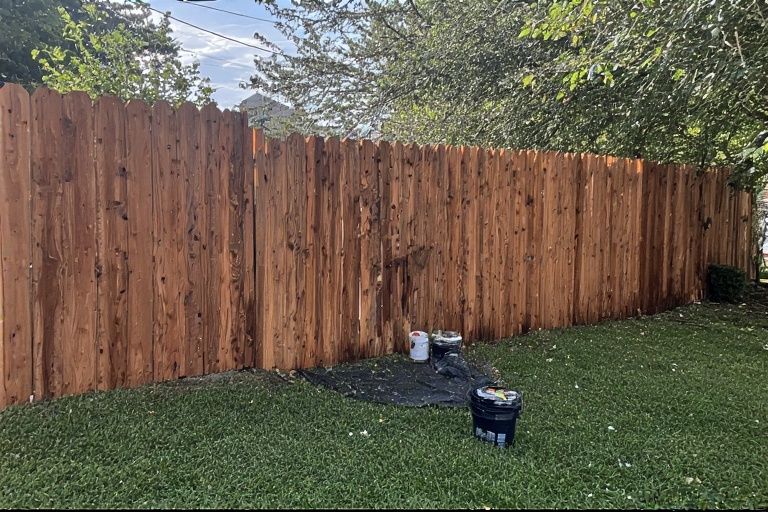
Cedar Privacy Fencing
Cedar is the most popular privacy fence material in Austin, and for good reason. It’s naturally resistant to rot, insects, and moisture — three of the biggest threats to wood fencing in Central Texas. Cedar’s natural oils slow deterioration without requiring chemical treatment, and it accepts stain and sealant easily for homeowners who want to control the finished color. For a longer look at cedar specifically, see our dedicated cedar fence installation page.
Pressure-Treated Pine
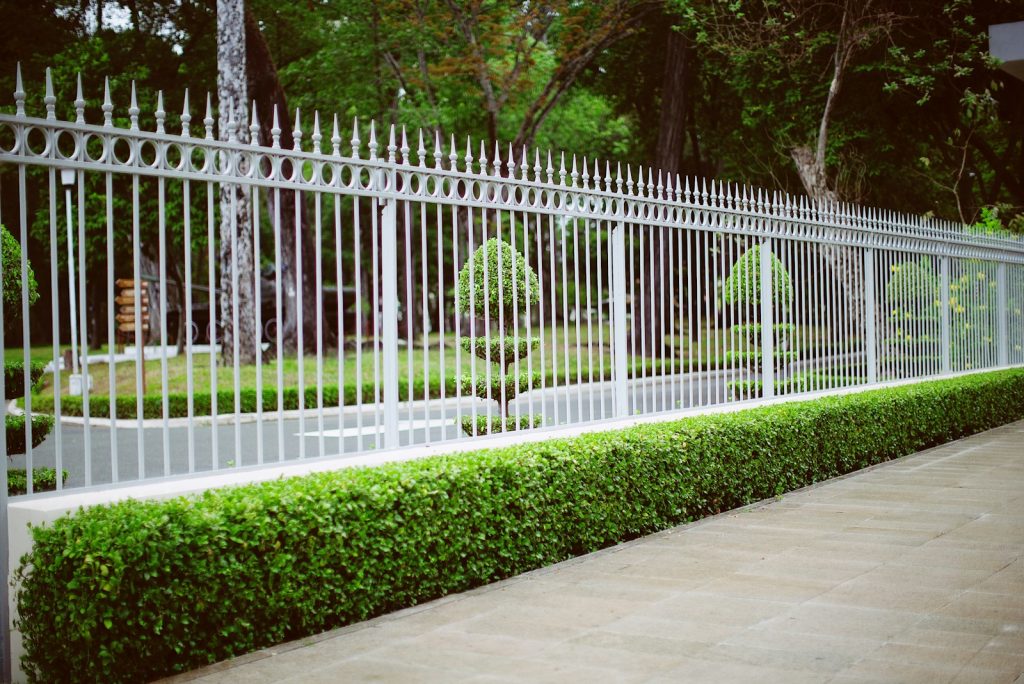
Pressure-treated pine is the budget-conscious choice for Austin homeowners who want solid privacy without the premium cost of cedar. The treatment process forces preservatives deep into the wood grain, making it resistant to rot, fungal growth, and termite damage. Pine is heavier than cedar and requires fence staining to maintain its appearance and extend its service life in Austin’s heat and humidity.
Composite Privacy Fencing
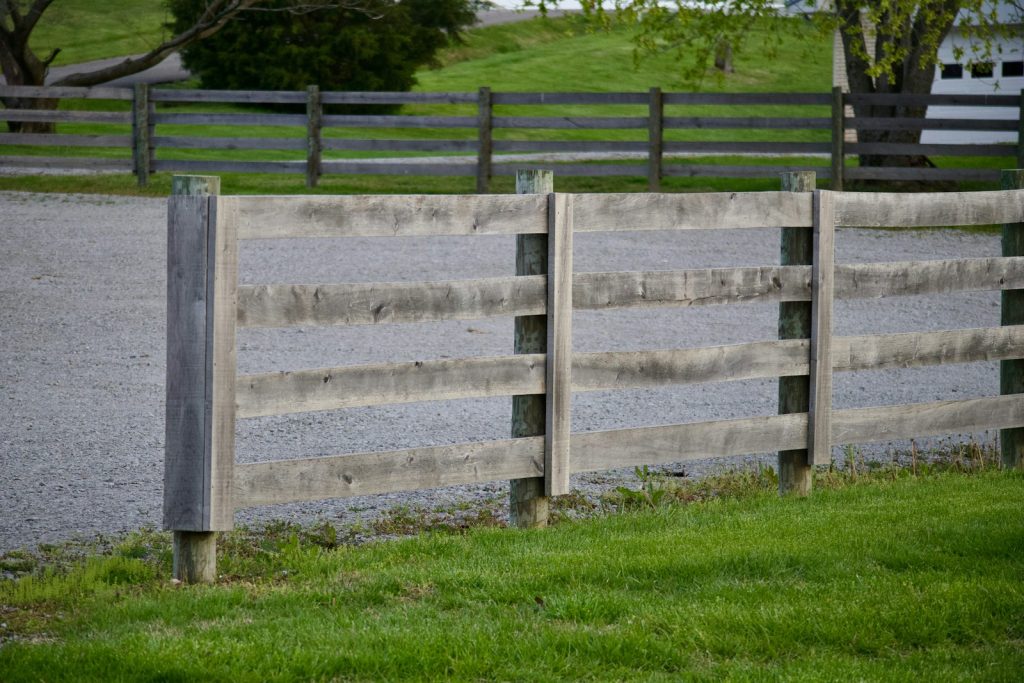
Composite fencing combines recycled wood fiber and plastic to create boards that look like wood but resist the rot, warping, and splitting that affect natural wood over time. It’s the lowest-maintenance option we install, doesn’t require staining or sealing, and holds its color under Austin’s intense UV exposure far better than untreated wood. For more detail on composite as a standalone product, see our composite fence installation page.
Board-on-Board vs. Solid Board
Within any material, you’ll also choose between two primary privacy fence construction styles. Solid board fencing places planks edge to edge for maximum privacy and a clean, uniform look. Board-on-board overlaps each plank slightly with alternating boards on each side of the rail — this approach allows some airflow through the fence, reduces wind load, and maintains privacy from most viewing angles. We’ll walk you through both options during your estimate.
Our Privacy Fence Installation Process in Austin
Every privacy fence we install follows a structured process built around the specific challenges of Austin properties. Here’s what to expect from start to finish.
Site Walk and Layout
We begin with an on-site visit to measure your property line, assess terrain, identify any underground utilities, and discuss gate placement and height preferences. We also review any HOA design requirements or city setback rules that apply to your address before any work begins.
Post Setting
Post depth and concrete mix are the foundation of a privacy fence that stays straight. We set posts deep enough to account for Austin’s expansive clay soils, which swell when wet and shrink when dry — that cycle puts continuous stress on fence posts and is the leading cause of leaning and failure in poorly installed fences. We use the right post depth and concrete specification for your soil type, every time.
Rail and Stringer Installation
Top, middle, and bottom rails are installed level and square, accounting for any slope or grade change across your property. On sloped lots, we step the fence in clean increments or rack the frame to follow the ground contour, depending on the degree of slope and your preference. The rail system is what keeps your privacy fence rigid and aligned over years of use — we don’t rush this step.
Board Installation
Fence boards are installed with consistent spacing, checked for plumb and alignment on every run, and fastened with galvanized or stainless hardware that won’t rust and stain the wood over time. Whether you’re going solid board or board-on-board, the finish is clean and uniform from end to end.
Gate Installation
Walk gates and drive gates are framed, hung, and hardware-fitted during the same visit. We add diagonal bracing to gate frames to prevent sagging over time — one of the most common failure points in DIY and budget fence installations. Latches, hinges, and drop rods are rated for outdoor use in Austin’s weather.
Final Walkthrough and Cleanup
Once the fence is complete, we clean the job site, remove all debris and scrap material, and walk the full length of the fence with you. Every board, post, gate, and latch gets checked before we call the job done.
Residential Privacy Fence Installation in Austin
We install privacy fences for homeowners across the Austin metro — from established neighborhoods in South and Central Austin to growing suburbs like Round Rock, Cedar Park, Leander, and Georgetown. We’re familiar with HOA design standards across many Austin-area communities and can help you navigate approval requirements before the project begins. See our residential privacy fence page for more on how we approach home fencing projects across Central Texas.
Commercial Privacy Fencing in Austin
Privacy fencing serves a practical purpose on commercial properties too — screening equipment yards, dumpster enclosures, HVAC systems, loading areas, and service entrances from public view. It’s a common requirement for retail and multi-family developments in Austin that need to meet city screening ordinances without sacrificing aesthetics. Our commercial privacy fencing installations use heavier posts, taller heights, and commercial-grade hardware to handle the demands of business environments.
Austin-Specific Considerations for Privacy Fencing
Building a privacy fence in Austin requires a different approach than in many other parts of the country. Here’s what we factor into every installation:
Expansive Clay Soils
Austin’s notorious black clay expands significantly when wet and contracts just as dramatically during dry summers. This cycle pushes and pulls on fence posts and is the primary reason privacy fences lean, shift, and fail prematurely in Central Texas. We account for this with deeper post holes, the right concrete mix, and proper post sizing for the fence height.
Caliche and Rocky Substrate
Many Austin properties — especially in South Austin, the Hill Country edges, and areas near the limestone escarpment — have caliche or solid rock just a few inches below the surface. Setting posts to the correct depth in these conditions requires power auger equipment rated for hardpan. We have it, and we use it on every job that needs it.
Wind Loads
A solid-board privacy fence catches significantly more wind than an open fence type. Austin’s spring storm season routinely produces strong straight-line winds that will stress any full-panel fence. We engineer post depth, concrete footing size, and rail attachment to handle these loads — board-on-board construction also helps by allowing some wind to pass through.
UV Exposure and Heat
Austin’s intense sun bleaches and dries untreated wood quickly. For cedar and pine fences, we strongly recommend applying a UV-resistant stain or sealant within the first year of installation and reapplying every two to three years. This single maintenance step has more impact on fence longevity in Austin than almost anything else you can do after installation.
HOA Requirements
Many Austin-area HOAs restrict privacy fence height to 6 feet, require specific materials or stain colors, and mandate setbacks from property lines or easements. We’re experienced working within these constraints and can advise you on what’s permitted before the first post goes in the ground.
Privacy Fence Maintenance in Austin
How long your privacy fence lasts comes down largely to how well it’s maintained through Austin’s punishing summers and wet springs. Here’s what we recommend:
- Inspect the full fence line once a year — look for leaning posts, split boards, and rust staining from hardware
- Re-stain or reseal cedar and pine fences every two to three years to prevent UV bleaching and moisture absorption
- Replace any split, cracked, or rotting boards quickly before adjacent boards are affected
- Clear vegetation, vines, and soil buildup from the base of the fence to prevent ground contact rot
- Check gate diagonal bracing annually — sag is easier to correct early than after the frame has shifted
For a comprehensive annual checkup, our fence inspection service covers every post, board, gate, and hardware component and provides a written report with specific recommendations. If boards or posts need replacing, our fence repair service handles partial repairs and full-section replacements without requiring a complete rebuild.
Why Austin Homeowners Choose Horizon Fence Company
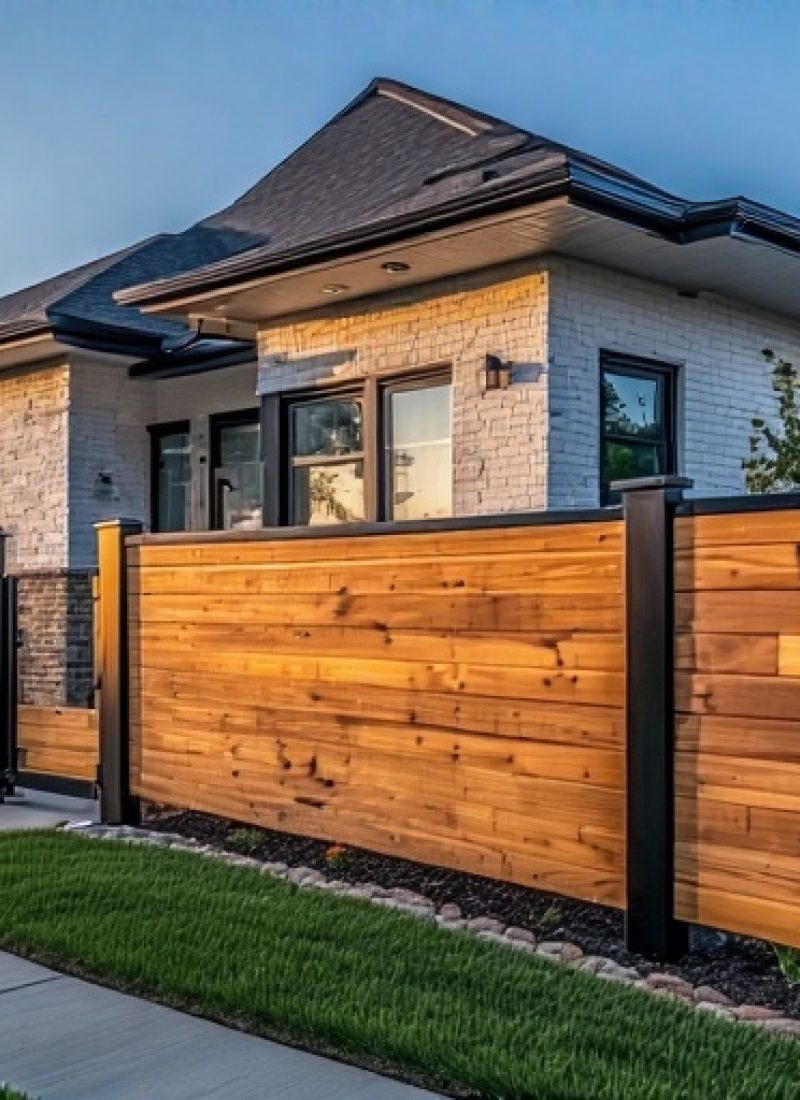
We’ve been installing residential fences across Austin since 2011. As members of the American Fence Association, every installation we complete is held to verified industry standards. Learn more about how we operate on our about our team page. Here’s what our residential clients consistently tell us matters most:
- Fully insured with over 13 years of Austin-specific installation experience
- Post depth and concrete specifications matched to actual site soil conditions — not a one-size-fits-all standard
- Honest, itemized estimates with no hidden charges
- Galvanized hardware throughout — no rust staining on new wood or composite surfaces
- Gate frames built with diagonal bracing to resist long-term sag
- Clean job sites — all debris, scrap, and packaging removed before we leave
- Crews who show up on time, work efficiently, and respect your property
Frequently Asked Questions About Privacy Fence Installation in Austin
How tall can a privacy fence be in Austin?
The City of Austin generally permits residential privacy fences up to 6 feet in height in rear and side yards without a permit, though this varies by zoning district and proximity to public rights-of-way. Front yard fences face stricter height limits. HOA rules may be more restrictive than city code. We’ll confirm the applicable limits for your specific address before starting any work. You can also review current City of Austin fence regulations through the City of Austin Development Services department.
What is the best wood for a privacy fence in Austin?
Cedar is the top choice for Austin homeowners due to its natural rot and insect resistance, dimensional stability in humidity changes, and ability to accept stain for long-term UV protection. Pressure-treated pine is a cost-effective alternative that performs well when properly stained and maintained.
How long does a wood privacy fence last in Austin?
A properly installed cedar privacy fence in Austin typically lasts 15 to 20 years or more with routine staining every two to three years. Pressure-treated pine can reach a similar lifespan with consistent maintenance. Composite fencing often outlasts both, with a typical service life of 25 years or more due to its resistance to rot, insects, and UV degradation.
How long does privacy fence installation take?
Most residential privacy fence installations in Austin are completed in one to two days. Larger perimeters, significant grade changes, or rocky soil conditions may add a day to the timeline. We’ll give you a realistic schedule during your free estimate.
Do I need a permit for a privacy fence in Austin?
Most residential privacy fences in Austin under 6 feet don’t require a permit, but requirements vary by zoning district, lot type, and whether your property is in a flood plain or historic district. We’re familiar with Austin’s local fence codes and will advise you before work begins.
What is the difference between board-on-board and solid board privacy fencing?
Solid board fencing places boards edge to edge for maximum visual privacy and a clean, flat appearance. Board-on-board alternates boards on each side of the rail with a slight overlap, allowing airflow and reducing wind load on the fence structure while still providing full privacy from most angles. Board-on-board is generally recommended for larger fence runs in wind-exposed yards.
Can a privacy fence be installed on a sloped yard in Austin?
Yes. We handle both racked installations where the fence follows the slope of the ground and stepped installations where the fence drops in level sections. The right approach depends on the degree of slope, your material choice, and your aesthetic preference. We’ll recommend the best method during the site visit.
How do I maintain a wood privacy fence in Austin?
Inspect annually for leaning posts, split or rotting boards, and rust staining from hardware. Re-stain or reseal every two to three years to protect against UV exposure and moisture absorption. Clear vegetation from the fence base and replace damaged boards promptly. A professional fence inspection every few years catches issues before they become structural problems.
Get a Free Privacy Fence Estimate in Austin
Whether you’re replacing an old fence, enclosing a new backyard, or finally getting the seclusion your outdoor space deserves, Horizon Fence Company is ready to help. We offer free, no-pressure estimates and straightforward material guidance for every project across Austin and Central Texas.
Our team is fully insured, experienced with Austin’s unique installation challenges, and committed to building privacy fences that hold up — and look right — for years to come. Reach out today and let’s talk through your project.